The crease that runs from the nose to the corner of the mouth. Often improved more by treating the cheek than the fold itself.
The nasolabial fold runs from the nostril to the corner of the mouth. It exists on every face, even young ones, because it marks the boundary between the cheek and the lip. With age, the fold deepens. The cause is usually deflation in the cheek above, not the fold itself.
This is why we often improve nasolabial folds indirectly by treating the cheek. Direct fold filler can work, but treating the cheek first is the more elegant solution most of the time. We assess and recommend the approach that fits the face.
Three factors drive nasolabial deepening.
Cheek volume loss is the most common cause. As the cheek deflates, the tissue above the fold descends, deepening the crease below.
Skin laxity contributes once the underlying support has changed.
Repeated expression from smiling and speaking compresses the fold across decades.
The right treatment addresses the right driver. If cheek deflation is primary, treating the fold directly may not fix the underlying cause.
The fold becomes more visible from the thirties forward, with the most pronounced changes appearing in the forties and fifties. Skin quality and bone resorption add layers to the deepening.
Sun exposure and smoking accelerate the appearance. Genetics determine the baseline depth.
The nasolabial fold is anatomy, not aging. Most clients in this decade have folds that don't need treatment.
Subtle deepening begins, usually related to early cheek deflation. Treatment in this decade is rare and almost always starts with the cheek.
Most clients first notice the fold in this decade. The right approach usually combines cheek restoration with selective fold treatment.
Significant cheek deflation and fold deepening combine. Treatment plans typically address both structures together for the most natural result.
The nasolabial conversation starts with assessment, not product. We look at the cheek first. If volume has been lost above the fold, that's where treatment usually begins.
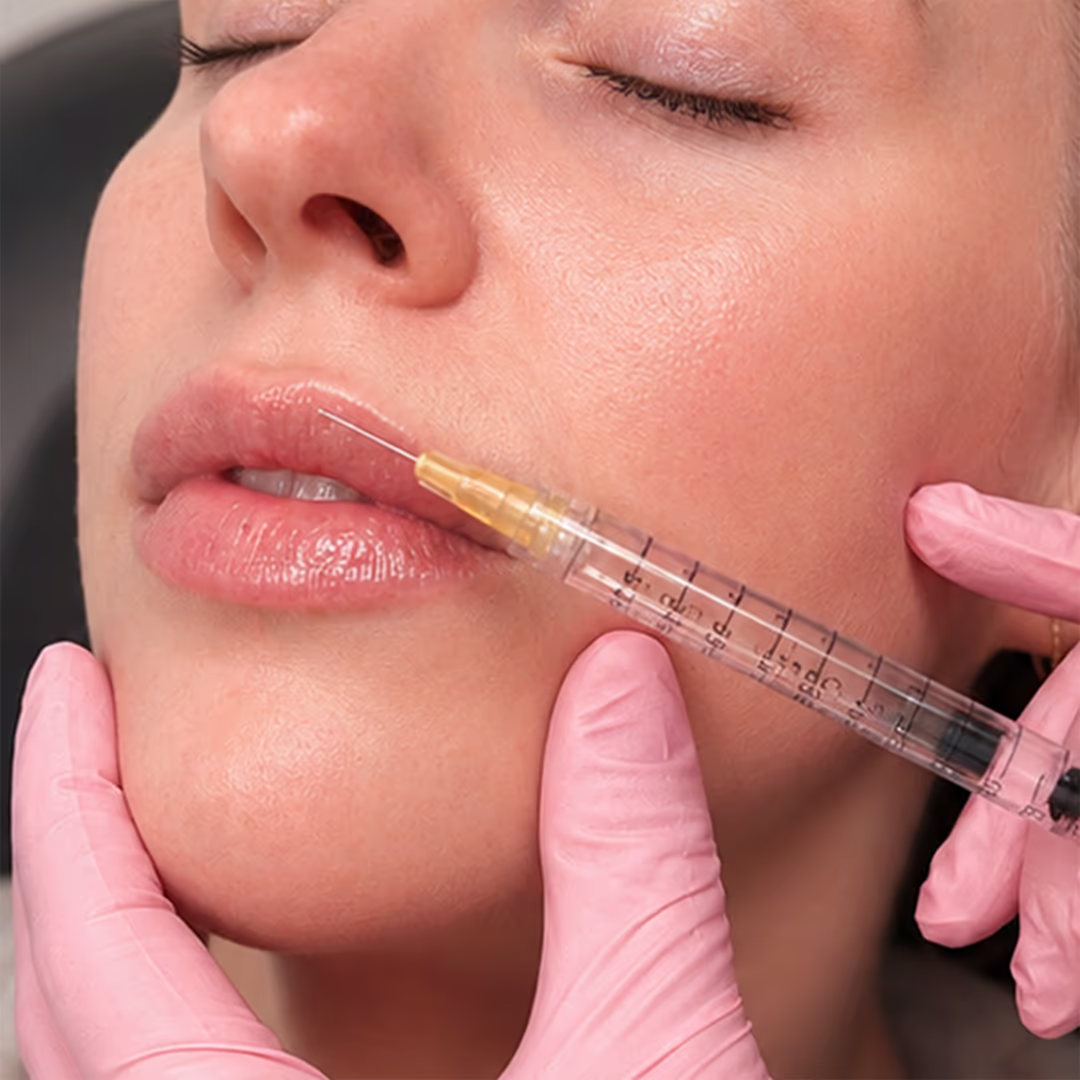
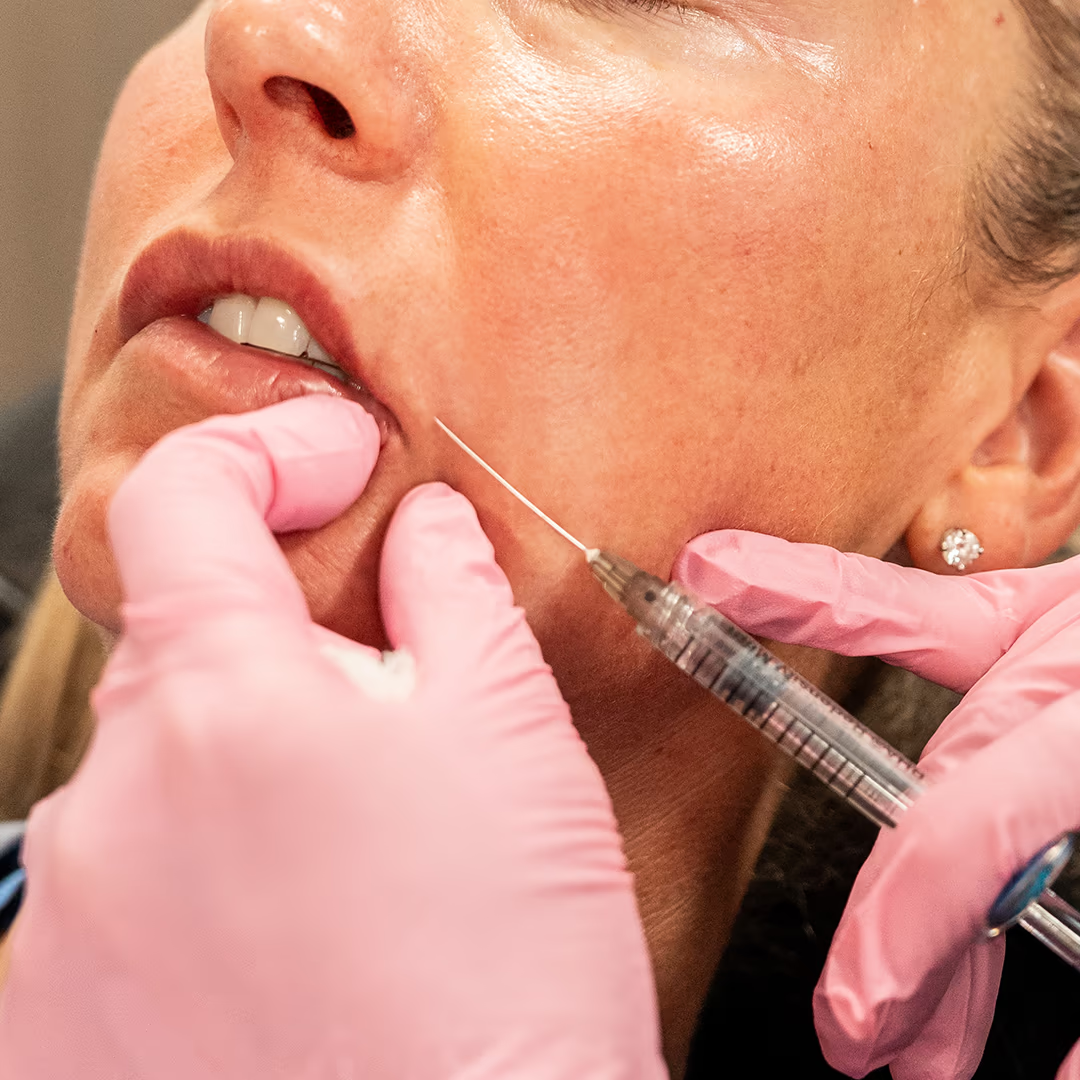
When the fold itself is the issue, we use soft HA fillers like Juvederm Vollure, Restylane Refyne, or RHA 3, placed superficially along the crease. We avoid heavy fillers in this area, which can blunt the smile or look obvious.
Dosing is conservative. Most fold corrections use less than half a syringe per side when treated directly.
Many clients leave the consult with a plan that addresses the cheek first and revisits the fold in three months if needed.
Each location has its own character. All three share the same standard of care.
.png)

Had my first blood draw today with it was INCREDIBLE!!! Also the front desk were all so pleasant especially Kelsie! I highly recommend RN Esthetics!!

I was truly blown away after my appointment here. Every single person I interacted with, from the front desk to the providers who handled my treatments, was incredible! They made me feel so welcomed and cared for, and were both informative and genuinely kind. The space itself is spotless, cozy, and easily the most inviting place I’ve ever been for Botox. Michelle did my Botox and she was amazing! I also had a hydrafacial and dermaplaning, and I already can’t wait to come back again and again.You will not regret booking here!

I highly recommend RN Esthetics! The staff is welcoming, knowledgeable, and helpful without making you feel rushed. The facility is spotless and clean, which made me feel even more comfortable and confident being there. Great experience overall!