Rosacea is a long conversation, not a single procedure. The skin learns to flush. The plan teaches it to settle.

Rosacea is a chronic inflammatory skin condition that causes persistent facial redness, frequent flushing, visible blood vessels, and sometimes acne-like papules and pustules. It typically affects the cheeks, nose, chin, and forehead.
There are several subtypes. Erythematotelangiectatic rosacea features persistent redness and visible vessels. Papulopustular rosacea adds inflammatory bumps. Most clients have a combination, and the type can shift over time.
Rosacea is chronic. Treatment manages it. It doesn't cure it.
Clients come in tired of looking flushed or angry in photos when they're not. They've often tried gentle skincare and dietary changes without significant change. Treatment that targets the underlying vasculature finally addresses what surface care can't.
The full cause of rosacea isn't completely understood, but several factors contribute.
Vascular sensitivity is central. The capillaries in rosacea-prone skin dilate more readily and stay dilated longer than typical skin.
Inflammation from inflammatory pathways activated by triggers (heat, sun, certain foods, alcohol) deepens and perpetuates the redness.
Demodex mites, which live on all human skin in small numbers, are present in higher numbers in rosacea-prone skin and may contribute to inflammation.
Genetics determine baseline susceptibility. Rosacea runs in families and is most common in clients with fair skin and Celtic, Northern European, or Scandinavian heritage.
The earliest sign is usually flushing that lasts longer than expected after the trigger has passed. Heat, exercise, alcohol, spicy food, or emotional stress flush the face, and the flush takes longer to resolve than it should.
Persistent redness develops next, often across the cheeks and nose. Visible broken capillaries appear. Some clients develop inflammatory bumps that look like acne but don't respond to acne treatments.
Rosacea typically appears in the thirties and forties and progresses over decades without treatment. Each flush deepens vascular sensitivity. Each inflammatory cycle damages collagen and elastin.
With consistent treatment and trigger management, rosacea can be controlled to the point of being barely visible. Without treatment, it typically worsens and may eventually cause permanent changes in skin texture and thickness (rhinophyma in advanced cases).
The industry approaches rosacea with several layered modalities.
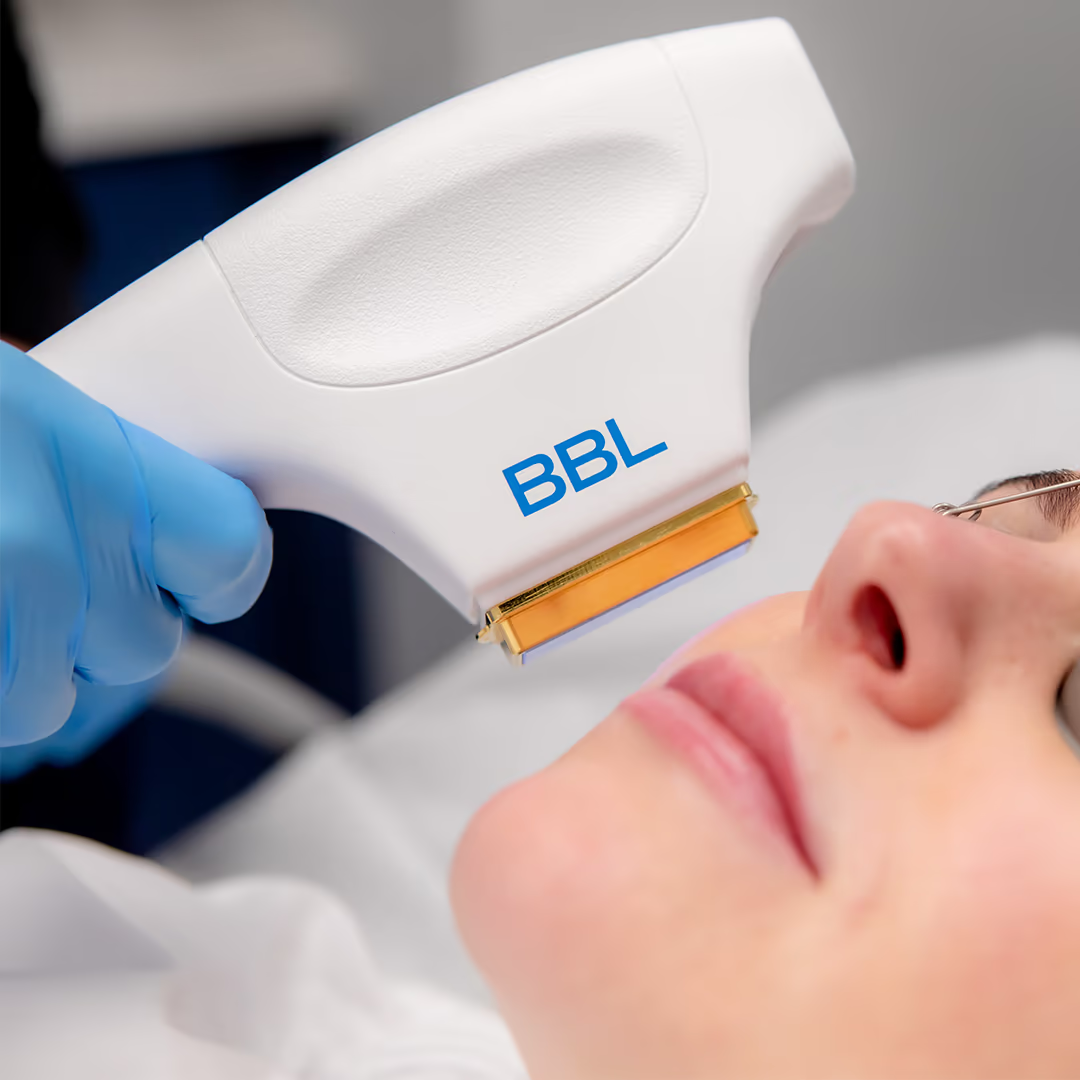
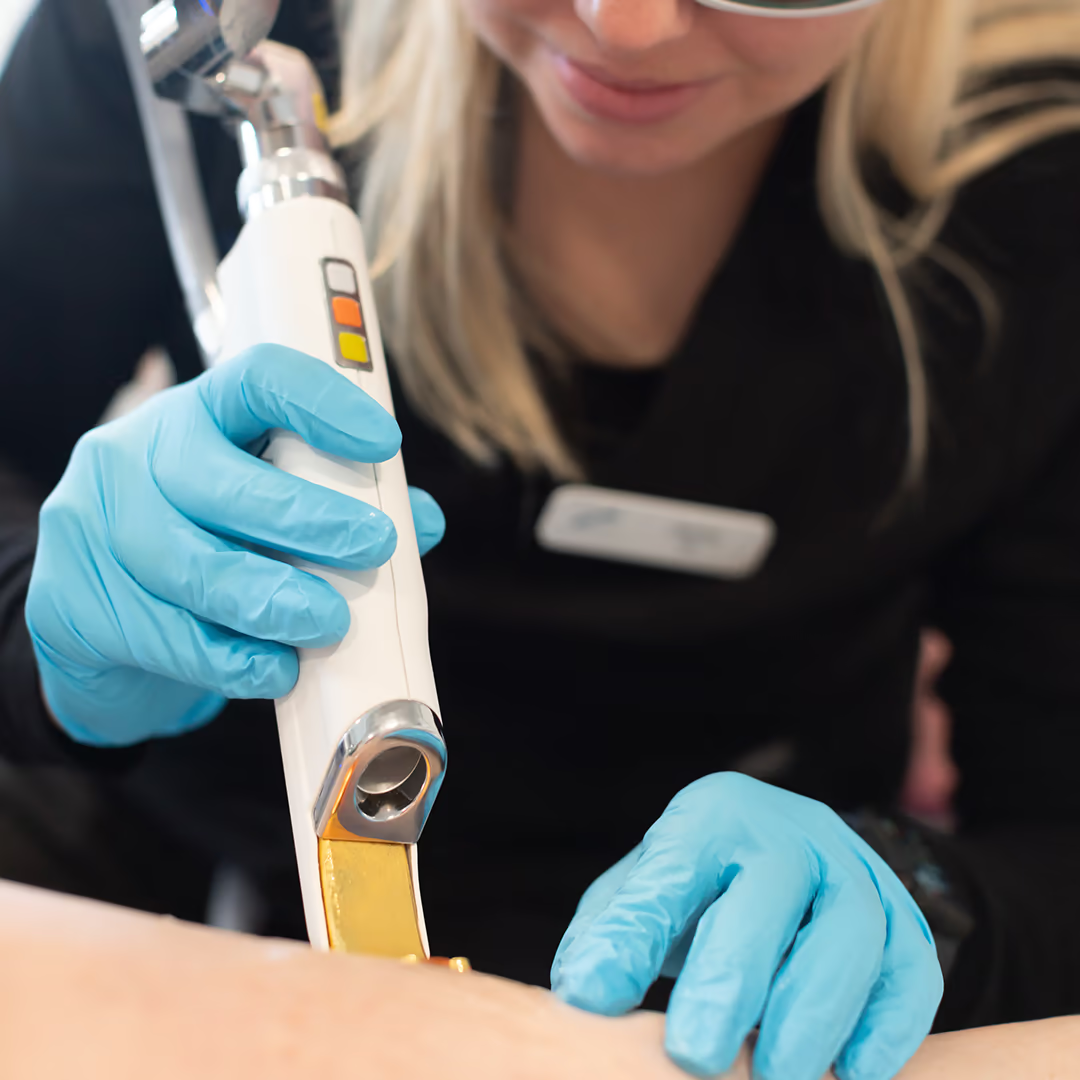
Vascular laser (BBL, ClearV, or pulsed dye laser) targets the dilated capillaries directly.
Topical prescriptions like metronidazole, azelaic acid, ivermectin, and brimonidine reduce inflammation and redness.
Oral antibiotics at anti-inflammatory doses (low-dose doxycycline) can help with papulopustular subtype.
Trigger management including sun protection, heat avoidance, and gentle skincare is foundational.
Rosacea is a chronic condition that requires consistent management. We approach it as a long-term partnership, not a single procedure.
For the vascular component, BBL with vascular settings is our primary tool. We treat across three to five initial sessions spaced four to six weeks apart. ClearV targets discrete visible vessels with precision.
For inflammatory subtype with papules and pustules, we coordinate with a dermatologist for topical or oral prescription support. Laser alone doesn't address the inflammatory component.
We're rigorous about trigger education. Daily SPF, heat awareness, gentle skincare with niacinamide and azelaic acid, and identifying personal triggers all matter more than which laser is used.
At RN Esthetics, every treatment starts with listening. We are nurse practitioners, registered nurses and estheticians who treat every client as the hero of their own story.
.png)

Had my first blood draw today with it was INCREDIBLE!!! Also the front desk were all so pleasant especially Kelsie! I highly recommend RN Esthetics!!

I was truly blown away after my appointment here. Every single person I interacted with, from the front desk to the providers who handled my treatments, was incredible! They made me feel so welcomed and cared for, and were both informative and genuinely kind. The space itself is spotless, cozy, and easily the most inviting place I’ve ever been for Botox. Michelle did my Botox and she was amazing! I also had a hydrafacial and dermaplaning, and I already can’t wait to come back again and again.You will not regret booking here!

I highly recommend RN Esthetics! The staff is welcoming, knowledgeable, and helpful without making you feel rushed. The facility is spotless and clean, which made me feel even more comfortable and confident being there. Great experience overall!