Receding hairlines are a specific pattern with specific options. Early intervention can stabilize. Established recession often needs surgical restoration for visible regrowth.
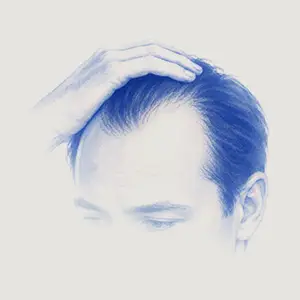
A receding hairline describes hair loss along the frontal hairline, typically beginning at the temples and gradually moving backward in an M-shaped pattern. It's most common in men with androgenetic alopecia but can also occur in women, particularly with frontal fibrosing alopecia.
Treatment effectiveness depends heavily on whether follicles are still present. Early-stage recession with viable follicles responds to PRP and medical treatment. Established recession often needs hair restoration surgery for visible regrowth.
Clients come in noticing temple recession or a less defined hairline. They want to address it without surgery. We're honest about what PRP can do. For clients whose recession is established, we discuss specialist referral openly.
Several causes drive receding hairlines.
Androgenetic alopecia is the most common cause in men. Genetic and hormonal factors drive temple recession.
Frontal fibrosing alopecia is a scarring alopecia more common in postmenopausal women that affects the frontal hairline. Requires dermatology evaluation.
Traction alopecia from tight hairstyles can cause frontal recession.
The classic male pattern shows recession at the temples first, creating an M-shape, followed by gradual movement backward. The female pattern (when present) is often more diffuse along the frontal hairline.
The hairline itself may become less defined. The temples may show visible scalp where hair used to be. The frontal region behind the hairline may also show thinning.
Receding hairlines typically progress gradually without treatment. Once follicles are lost, they don't return without surgical intervention.
Early treatment can stabilize the recession and in some cases produce modest regrowth at the front edge. Established recession is typically not reversible without hair restoration surgery.
Receding hairline treatments span medical and surgical options.
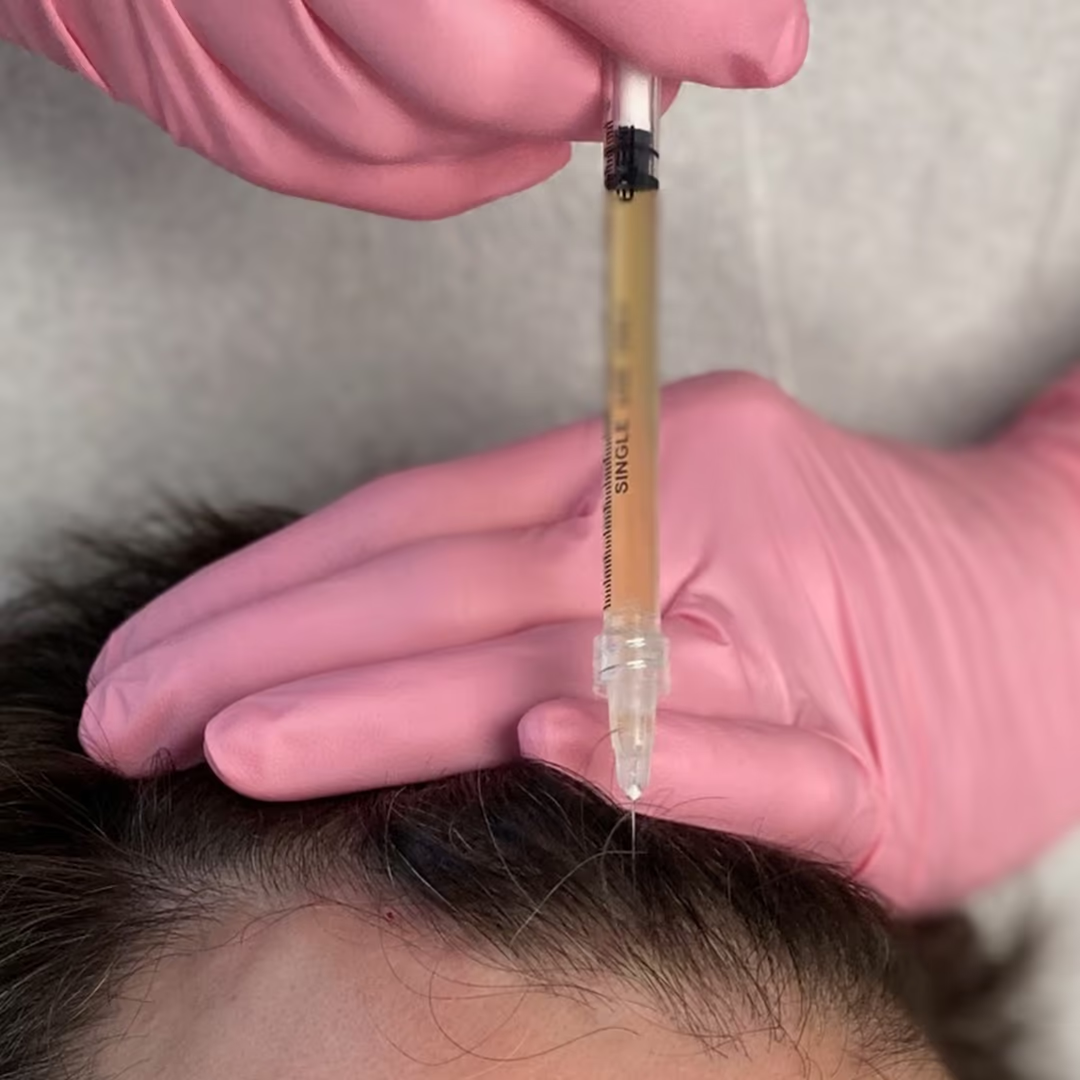
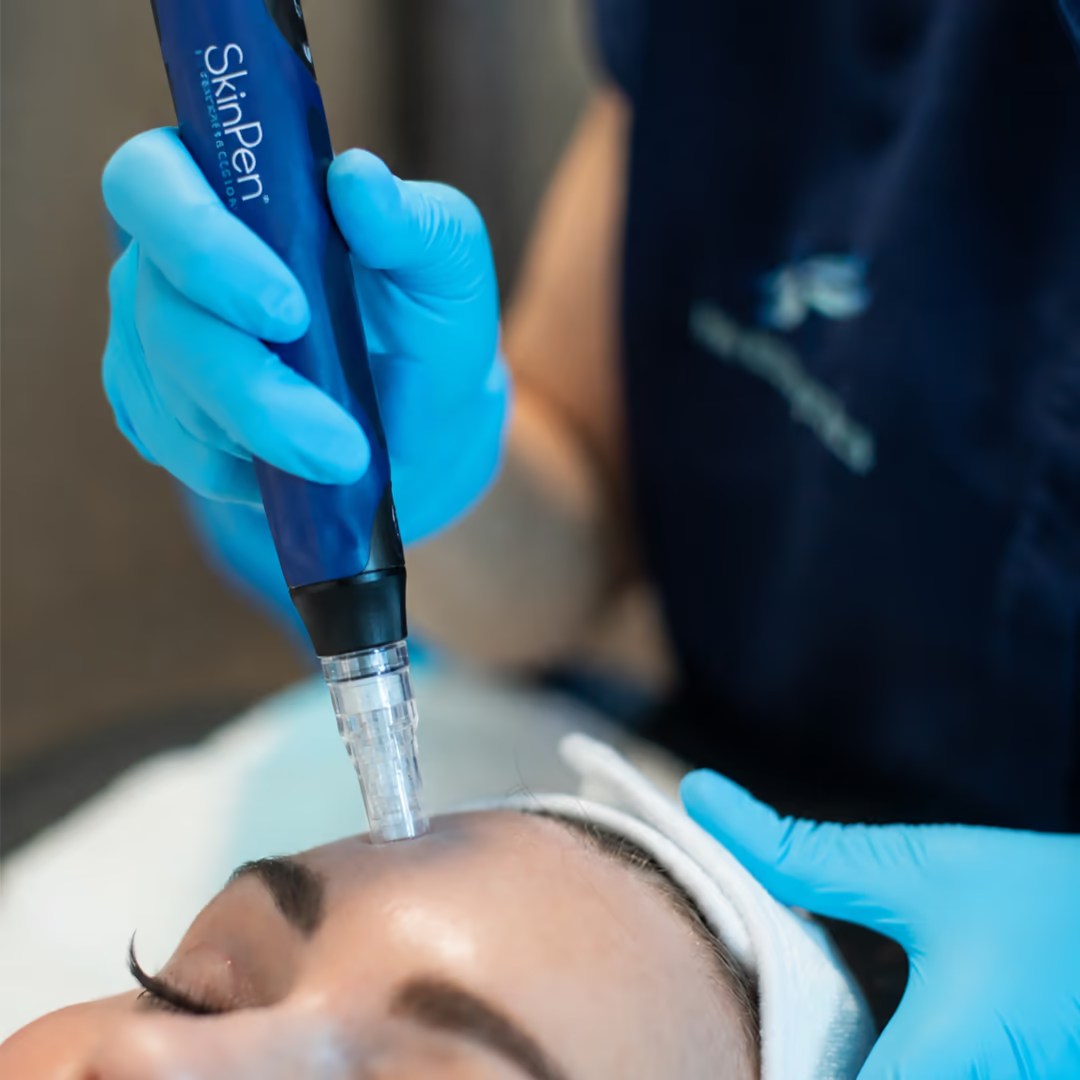
PRP and microneedling can stabilize recession and produce modest regrowth at the front edge in early-stage cases.
Oral medications like finasteride (for men) work systemically to slow recession.
Topical minoxidil extends growth phase at the hairline.
Hair restoration surgery (FUE, FUT) relocates follicles to the hairline for transformative results.
Scalp micropigmentation creates the appearance of a denser hairline.
Receding hairlines require honesty about timing.
For early-stage recession with visible follicles, PRP and microneedling can stabilize and produce modest improvement. We coordinate with primary care for clients who may benefit from finasteride or minoxidil.
For established recession with significant temple loss, we're direct. Hair restoration surgery (FUE) typically produces dramatically better results for the hairline specifically. We refer to specialists rather than overpromising PRP results.
For frontal fibrosing alopecia (more common in women), we refer to dermatology first. The condition is inflammatory and requires medical management.
At RN Esthetics, every treatment starts with listening. We are nurse practitioners, registered nurses and estheticians who treat every client as the hero of their own story.
.png)

Had my first blood draw today with it was INCREDIBLE!!! Also the front desk were all so pleasant especially Kelsie! I highly recommend RN Esthetics!!

I was truly blown away after my appointment here. Every single person I interacted with, from the front desk to the providers who handled my treatments, was incredible! They made me feel so welcomed and cared for, and were both informative and genuinely kind. The space itself is spotless, cozy, and easily the most inviting place I’ve ever been for Botox. Michelle did my Botox and she was amazing! I also had a hydrafacial and dermaplaning, and I already can’t wait to come back again and again.You will not regret booking here!

I highly recommend RN Esthetics! The staff is welcoming, knowledgeable, and helpful without making you feel rushed. The facility is spotless and clean, which made me feel even more comfortable and confident being there. Great experience overall!