Acne scars respond to consistent, layered treatment. They rarely disappear completely, but the texture can be smoothed meaningfully across a planned series.
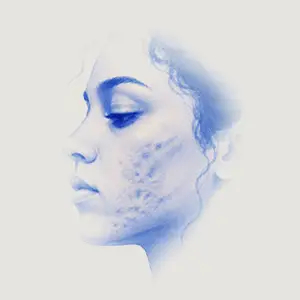
Acne scars are the textural changes left behind by previous active acne. They form when inflammation from severe lesions damages the underlying dermis. The skin heals but the structural support beneath doesn't fully recover.
Three main types appear. Ice pick scars are narrow, deep, and look like pinholes. Boxcar scars are wider, U-shaped depressions. Rolling scars are broad, shallow waves of texture across the cheeks and forehead.
Clients come in years after their active acne has resolved, wanting the texture addressed. They've often tried over-the-counter resurfacing products without significant change. Treatment that addresses the underlying dermis through microneedling, laser, or subcision finally moves the texture.
Acne scars result from inflammation damage during active acne.
Inflammatory acne lesions (papules, pustules, nodules, cysts) damage the surrounding dermal collagen during the inflammation.
Healing response after the lesion resolves may not fully restore the lost collagen, leaving a depressed scar.
Picking and squeezing active lesions dramatically increases scarring risk.
Acne scars vary in appearance based on type.
Ice pick scars are narrow, deep, and often appear on the cheeks and temples.
Boxcar scars are wider with sharp edges, often visible on the cheeks and jawline.
Rolling scars create broad waves of texture, most often across the cheeks.
Some clients have one type predominantly. Others have a mix. Treatment plans adjust to the pattern.
Acne scars develop after each inflammatory acne lesion resolves. They typically remain stable once formed. Without treatment, the texture is permanent.
Sun damage and aging can make existing scars more visible by thinning surrounding skin. Treatment, started after active acne is controlled, can smooth the texture meaningfully across sessions.
Acne scars are layered work. Multiple modalities typically combine.
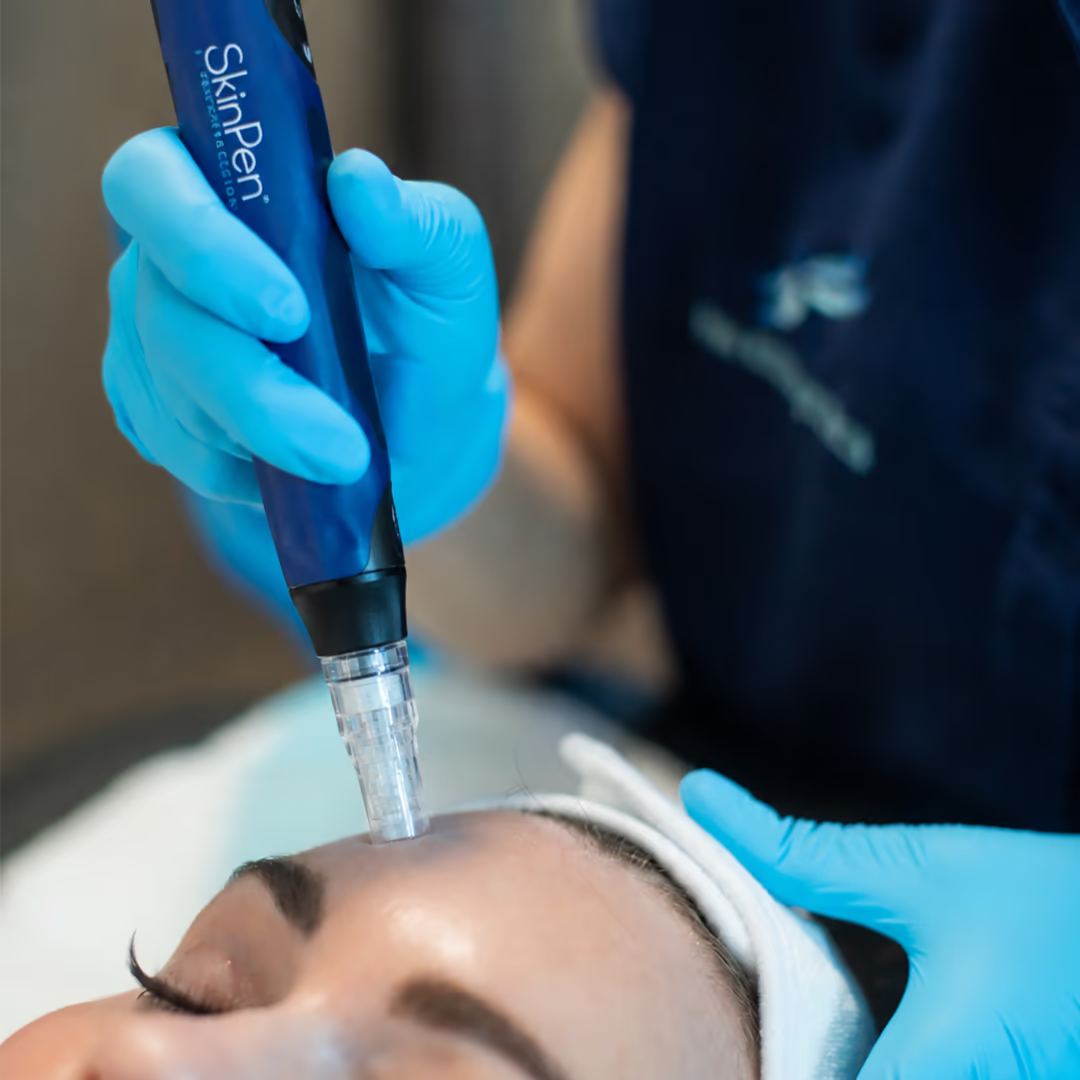
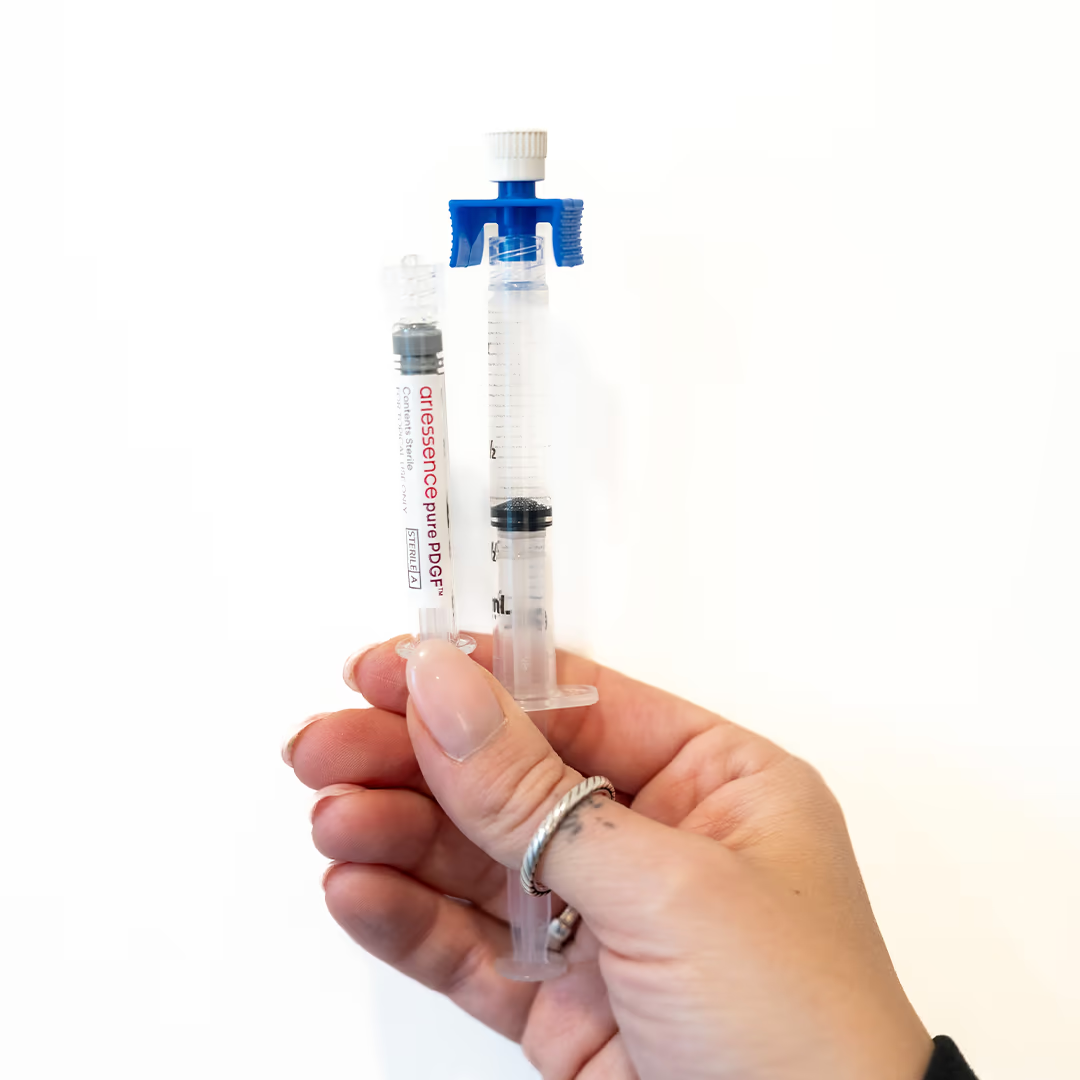
Microneedling with PRP or growth factors stimulates collagen remodeling within scar tissue.
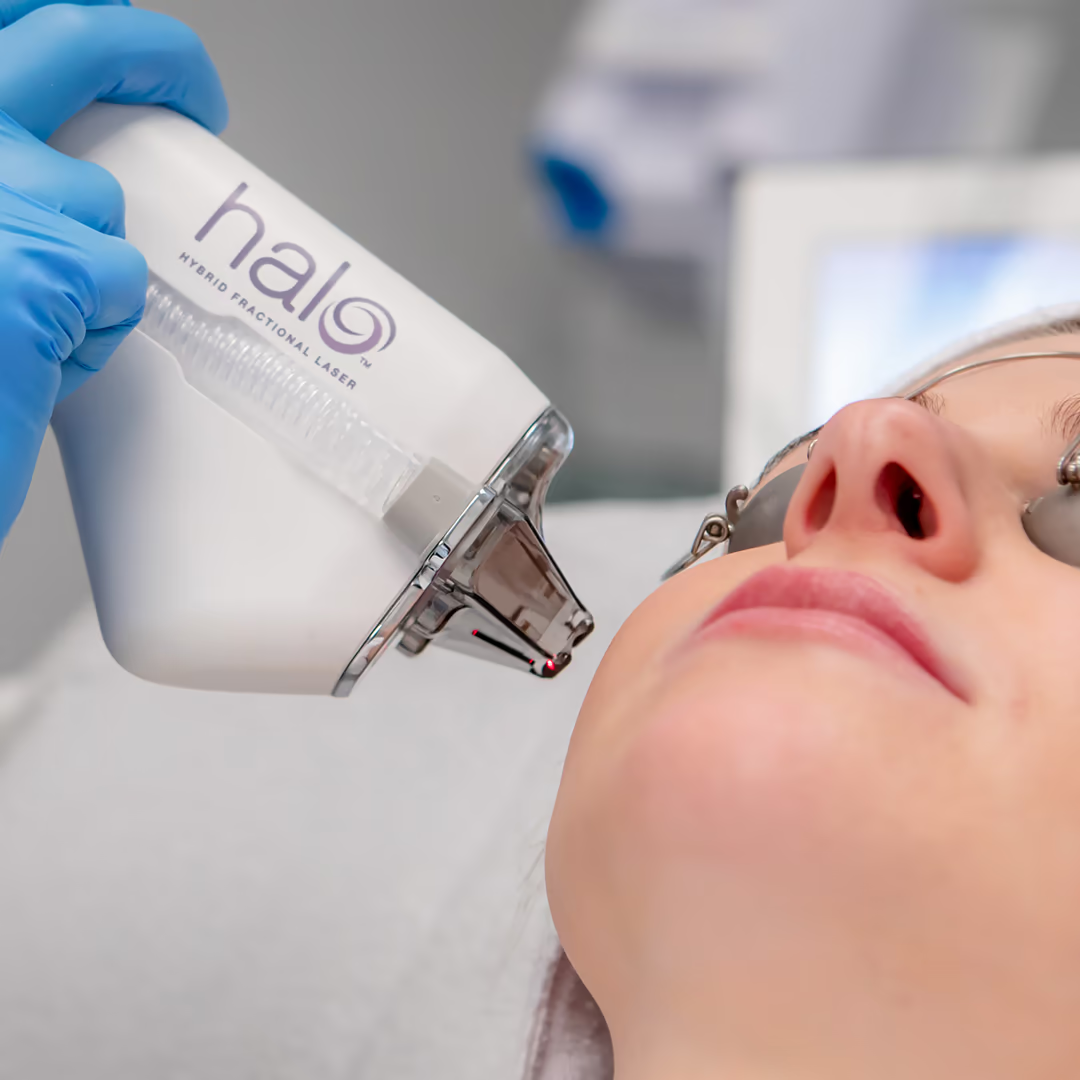
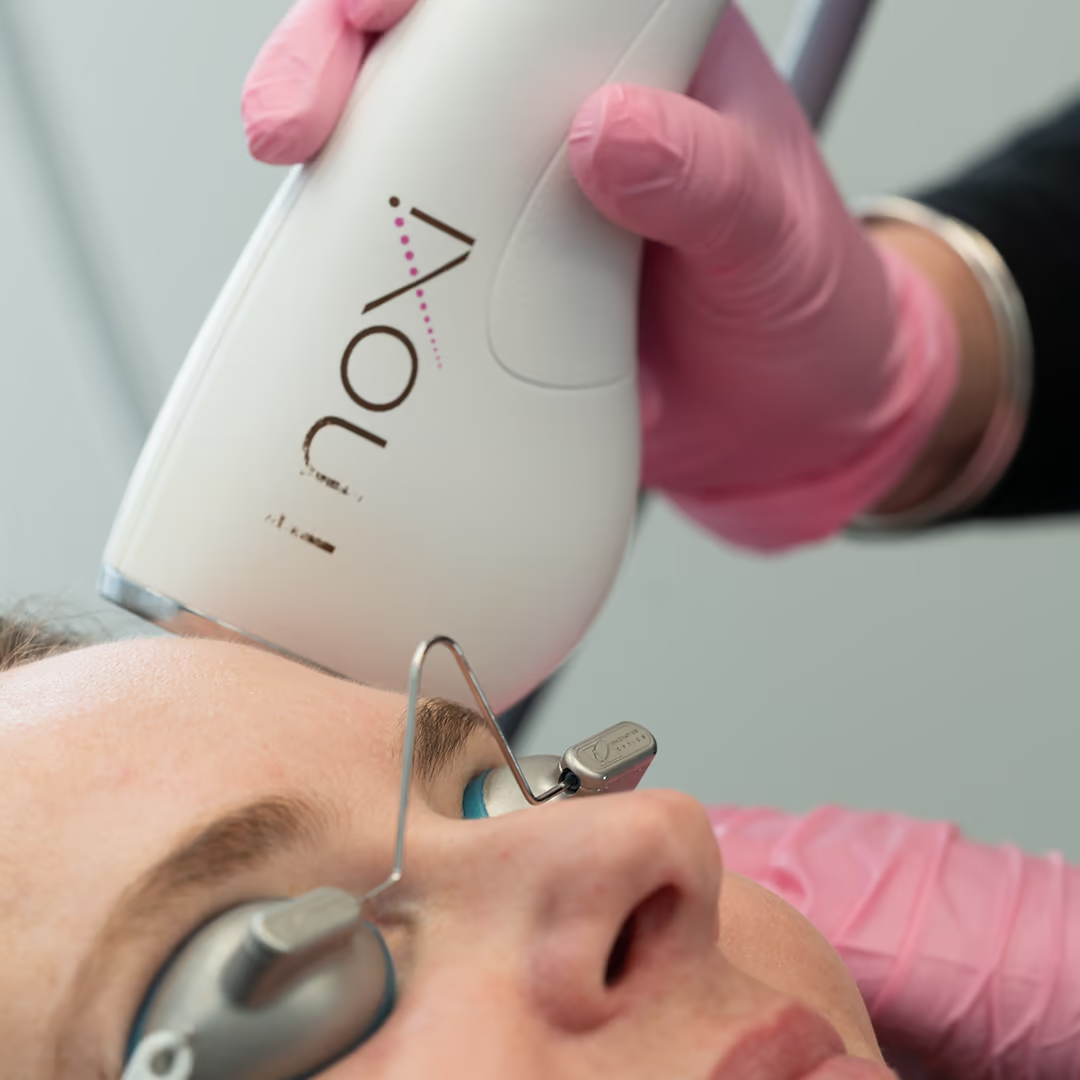
Fractional laser (Halo, Moxi) resurfaces and rebuilds dermal structure.
Subcision for tethered rolling scars breaks the fibrous bands pulling the scar down.
TCA cross for ice pick scars uses focused acid application to stimulate collagen in the depths of the scar.
HA filler for specific deep scars can improve appearance temporarily.
Acne scar work is patient and layered. We typically plan three to six sessions across four to six months for significant improvement.
The right combination depends on scar type. Rolling scars respond well to microneedling, subcision, and Halo. Boxcar scars benefit from fractional laser resurfacing. Ice pick scars often need TCA cross or punch excision (which we refer for).
For most clients, the foundation is SkinPen microneedling combined with PRP, layered with Halo for deeper texture work. The combination addresses both surface and structure.
We're honest. Acne scars rarely disappear completely. Significant improvement is realistic. Total elimination is not.
At RN Esthetics, every treatment starts with listening. We are nurse practitioners, registered nurses and estheticians who treat every client as the hero of their own story.
.png)

Had my first blood draw today with it was INCREDIBLE!!! Also the front desk were all so pleasant especially Kelsie! I highly recommend RN Esthetics!!

I was truly blown away after my appointment here. Every single person I interacted with, from the front desk to the providers who handled my treatments, was incredible! They made me feel so welcomed and cared for, and were both informative and genuinely kind. The space itself is spotless, cozy, and easily the most inviting place I’ve ever been for Botox. Michelle did my Botox and she was amazing! I also had a hydrafacial and dermaplaning, and I already can’t wait to come back again and again.You will not regret booking here!

I highly recommend RN Esthetics! The staff is welcoming, knowledgeable, and helpful without making you feel rushed. The facility is spotless and clean, which made me feel even more comfortable and confident being there. Great experience overall!